
The Diligent Pig
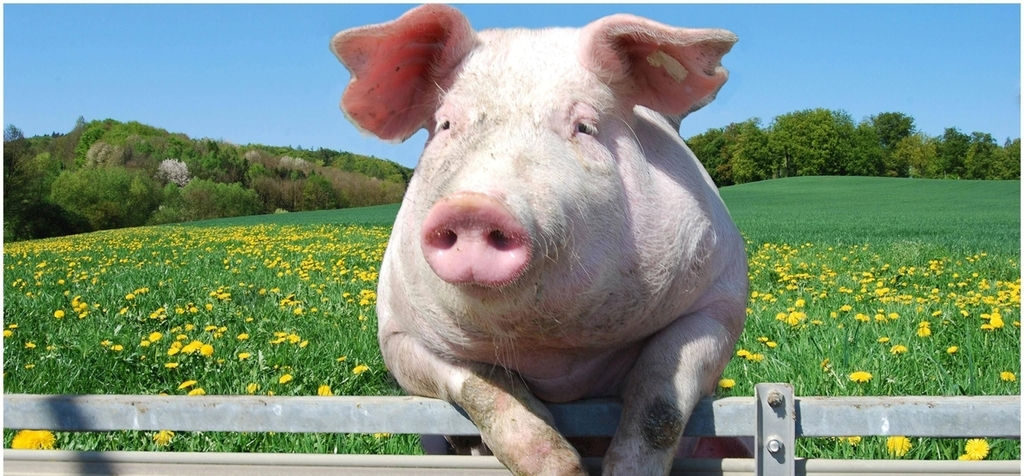
A colleague saw me sitting there, seemingly lost in thought, and assumed I was slacking off. He asked—'How does a pig die?'
'Killed by the butcher!' I scratched my head.
'It dies of laziness!'
…
I felt quite disheartened—first, for myself: I wasn’t slacking off; I was thinking. Acting before fully formulating a plan would waste energy. Second, for the pig: It hasn’t wronged anyone—so why has it acquired such a terrible reputation? Is a pig really killed by laziness?
Let’s first examine the pig’s 'work objective': gaining weight.
The optimal way to achieve this goal: eat more, sleep more, move less.
And how does the pig actually 'work'? Eat more, sleep more, move less.
Through this simple analysis, we can see that the pig diligently and conscientiously performs its assigned duties—exerting every effort toward fulfilling its predetermined goal. So how can it be called lazy?
The pig must surely know—from observing its fellow pigs—that once fattened, it will be 'marched to the execution ground' and ultimately end up as a delicious dish on people’s dining tables. The faster it gains weight, the sooner it dies. If pigs were as cunning and lazy as humans—refusing to eat or sleep, feigning illness—their lives might be significantly longer. Yet pigs never shirk their duties; instead, they remain enthusiastically committed to gaining weight—eating more, sleeping more, moving less. There is even something tragically heroic about this unwavering dedication, akin to facing death with equanimity.
I’ve rarely met a human being as devoted to their work as a pig.
So next time someone asks me, 'How does a pig die?',
I’ll answer without hesitation: 'It dies from diligence and professionalism!'
The above is purely tongue-in-cheek. I wrote this to remind myself: when examining issues or tackling tasks, try shifting perspectives—don’t always rely on habitual thinking or blindly echo popular opinion. As Buddhism teaches: 'There is no fixed Dharma.' Nothing in this world follows rigid formulas; we must adapt flexibly—to time, circumstances, and opportunities—rather than clinging stubbornly to a single 'truth'.
Humans should possess the courage to question even truth itself!